
The cheapest way to do an African budget safari is to choose Kenya, sleep in a camp for most nights, keep the trip to three or four days in one or two parks, travel outside the busiest weeks, and get a written quote from a licensed operator. Follow those five moves and a real safari with game drives, the Big Five and Maasai culture is within reach without luxury prices.
The problem is that online prices are hard to compare. One "from" price leaves out park fees, another assumes you share a minibus with strangers, and a third changes when fuel goes up. You can easily book the cheapest listing and end up paying more than the honest quote that looked higher.
This guide works through the decisions in the order that saves you the most money. It starts with what drives the cost of a safari, then covers accommodation, parks and trip length, season and extras, and how to compare operators. Best Camping Tours & Safaris has run safaris out of Nairobi since 1986, and the advice below comes from that experience.
What a budget safari in Kenya really means
A budget safari is a trip where you control the four things that set the price: where you sleep, which park you visit, how many days you stay and when you travel. Once you know how each one moves the total, you can compare any two safari tours fairly.
Where the money goes
Most of the cost of a short safari sits in a handful of items. The table shows how each one can work for or against you.
| Cost driver | Saves money when | Costs more when |
|---|---|---|
| Accommodation | You choose camping or standard lodges | You choose luxury tented camps or lodges |
| Park fees | You visit one or two parks | You add many parks or extra days inside reserves |
| Vehicle and driver-guide | You fill the vehicle with your own group | You travel as a couple in a private vehicle |
| Length | You keep it to 3 or 4 days | You stretch it to 7 days or more |
| Season | You travel outside July to October | You travel in peak weeks |
Park fees and the vehicle are fixed costs that do not shrink when you cut comforts, so choices about days and group size matter more than skipping a nice dinner.
A budget safari is not a worse safari. It is one where you pay only for the things you care about.
Why this guide gives no flat totals
You will see questions like what a 7-day safari costs or what the average safari holiday costs. Any single figure printed online goes stale quickly, because fuel prices, park fees and seasonal rates all change. A total that ignores your group size and accommodation style would also mislead you.
So the useful answer is a method. Decide your style, parks and dates using the steps below, then ask for a current quote for exactly that trip. A reliable operator gives you a clear, written figure.
Step 1. Sleep in a camp, not a lodge
Camping is the biggest single saving on a Kenya safari. It is also not the hardship people imagine, because good safari camps give you a proper bed, a hot shower and cooked meals.
What a comfortable camp looks like
Our private camp on the Talek River in the Maasai Mara shows what a camping safari can be. It has six en-suite tents plus a family tent, each with a toilet, hot shower and quality bedding. Home-style meals are cooked fresh every day, and evenings end around a campfire with the Maasai guards, who share local stories.
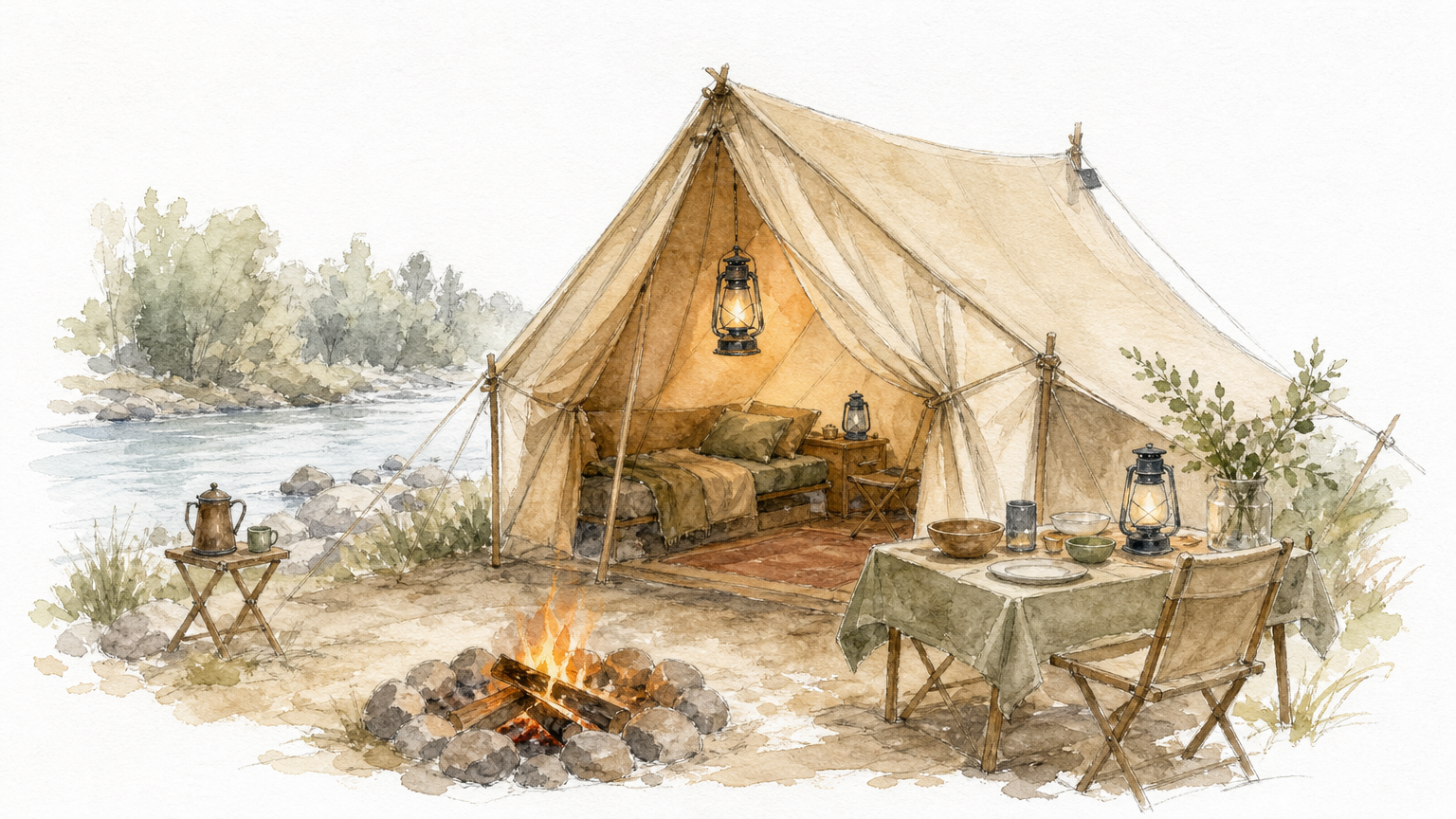
Because the camp is in the Mara, you can start game drives on the day you arrive, if your travel times allow. Couples, families and small groups all use it.
Mixing camping and lodge nights
You do not have to choose one style. Many travelers camp in the Mara, then take a standard lodge for a night or two elsewhere. Our Mara lodge options include Mara Fig Tree, Mara Simba, Zebra Plains, Mara Serena, Tipilikwani, Mara Leisure, Mara Sentrim, Mara Sarova and Mara Bush Camp. They are standard Mara lodges, which suits many travelers well.
Camp for most nights and spend your lodge nights where the comfort matters most to you.
Step 2. Pick the right park and trip length
The best budget safari is a short trip in the right park, not a long trip across many. Each Kenyan park has different wildlife and birdlife, so match the park to what you most want to see.
Match the park to your wildlife wish list
| Park | Known for | Good fit if you want |
|---|---|---|
| Maasai Mara | Big Five, big cats, Mara River crossings from roughly July to October | Classic savanna game viewing |
| Amboseli | Large elephant herds with Mount Kilimanjaro behind them | Photography |
| Lake Nakuru | Rhinos, flamingos and many bird species | Birdwatching and a second park |
| Samburu | Dry-country species such as Grevy’s zebra and reticulated giraffe | Wildlife you will not see in the Mara |
| Tsavo West | Wide landscapes and varied wildlife | Quieter, less crowded drives |
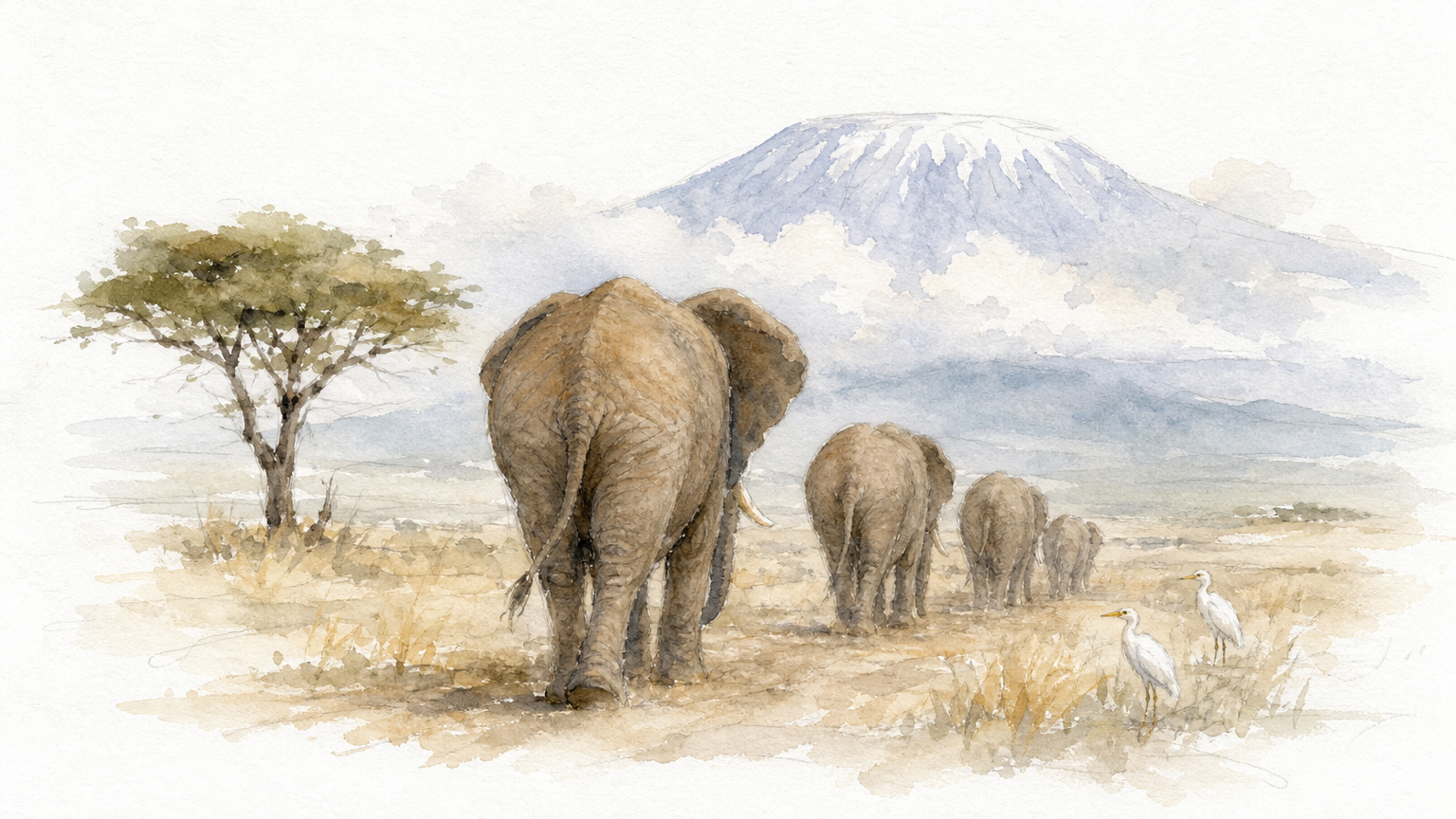
The Mara is excellent all year, and the migration is only one reason to go. Our website showcases our safari itineraries and packages. Pairing the Mara with a lake park adds different animals and birds for little extra travel.
Short itineraries that keep costs down
These are the shorter routes we run. Each stays in one or two areas, which cuts driving days and park days.
- 3 days: a quick escape to the Masai Mara.
- 4 days: Masai Mara camping, our express bestseller.
- 4 days: Masai Mara and Lake Nakuru.
- 4 days: Amboseli, Kilimanjaro and Tsavo West.
- 7 days: Tanzania camping through Lake Manyara, Serengeti, Ngorongoro Crater and Tarangire. Visas for Tanzania cost $50.
Two parks done well beat five parks rushed, and they cost far less.
Step 3. Travel smart on season, group and extras
You save the most by avoiding peak weeks, filling your vehicle and skipping add-ons you will not miss. None of these changes the quality of your game drives.
Choose your season
The dry months from June to October are the busiest and most expensive, because wildlife gathers at water and the Mara River crossings draw crowds. Outside that window, rates are usually lower and the parks are quieter. The green season brings newborn animals and, from about November to April, migrant birds. You will still see plenty of game, and the Mara is rewarding in every month.
Share the vehicle and trim extras
A safari vehicle and driver-guide cost the same whether two or six people ride in it. Bringing family or friends spreads that cost across more people, so ask your operator how the price changes with group size.
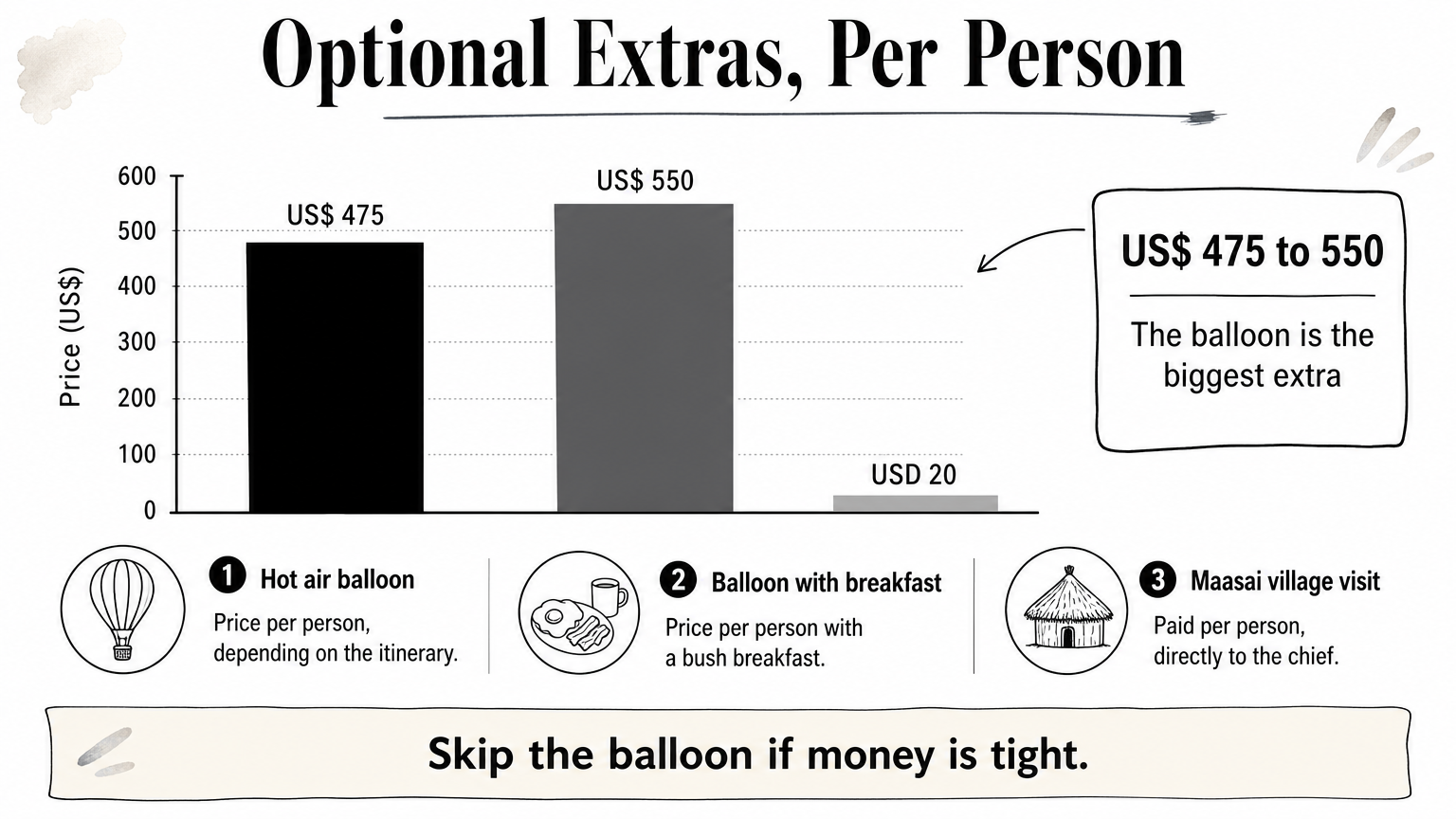
Then look at the optional extras:
- Hot air balloon safari: US$ 475 per person, or US$ 550 with bush breakfast, depending on the itinerary. It is the biggest extra, so skip it if money is tight.
- Maasai village visit: USD 20 per person, paid directly to the chief. It is a worthwhile cultural stop for the price.
Spend on the one extra you will remember, and skip the rest.
Step 4. Compare operators and request a quote
Compare operators by what the quote includes and who delivers the trip, not by the headline price. A low number often means something has been left out.
What to check before you pay
Use this checklist on every quote you receive:
- Is the operator licensed by the Tourism Regulatory Authority and a member of the Kenya Association of Tour Operators?
- Does the operator use its own vehicles, or subcontract your trip to someone else?
- Does the quote list park fees, meals, drinking water, airport transfers and taxes?
- Are your driver-guide’s language and experience stated?
- What are the cancellation terms?
We run our own fleet and do not subcontract, which is the kind of answer you should expect from any operator you consider.
A quote request you can copy
A specific request gets a specific answer. Adapt this and send it to two or three operators:
Hello,

We are planning a Kenya safari for [number] adults and [number] children
in [month, year] for [3, 4 or 7] days.

We would like to see [Big Five, elephants with Kilimanjaro, flamingos, etc.].
We prefer [camping / a mix of camping and lodge nights].

Please send a written quote that shows park fees, meals, water,
airport transfers and any taxes. Also tell us which extras are optional
and what they cost, and your cancellation terms.

Thank you,
[Name]
If two quotes cannot be compared line by line, ask for a clearer one before you pay a deposit.
Ready to plan your Kenya safari?
A budget safari in Kenya comes down to four decisions: camp for most nights, choose one or two parks, travel outside the peak weeks, and compare operators on what the quote includes. Make those choices first and the price takes care of itself.
When you are ready for a current figure, ask for a quote for your dates and group and we will build the trip around your interests and budget.
To plan your safari, call or WhatsApp on +254 723 166170, call +254 733 630053, email reservations@bestcampingkenya.com or visit bestcampingkenya.com.